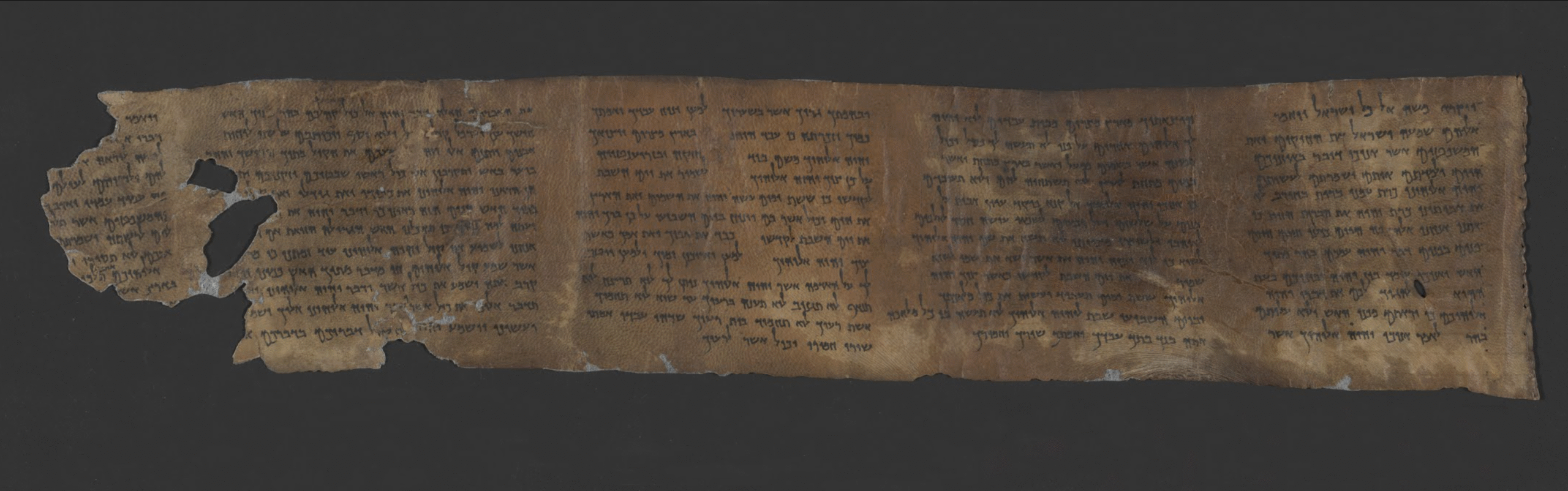

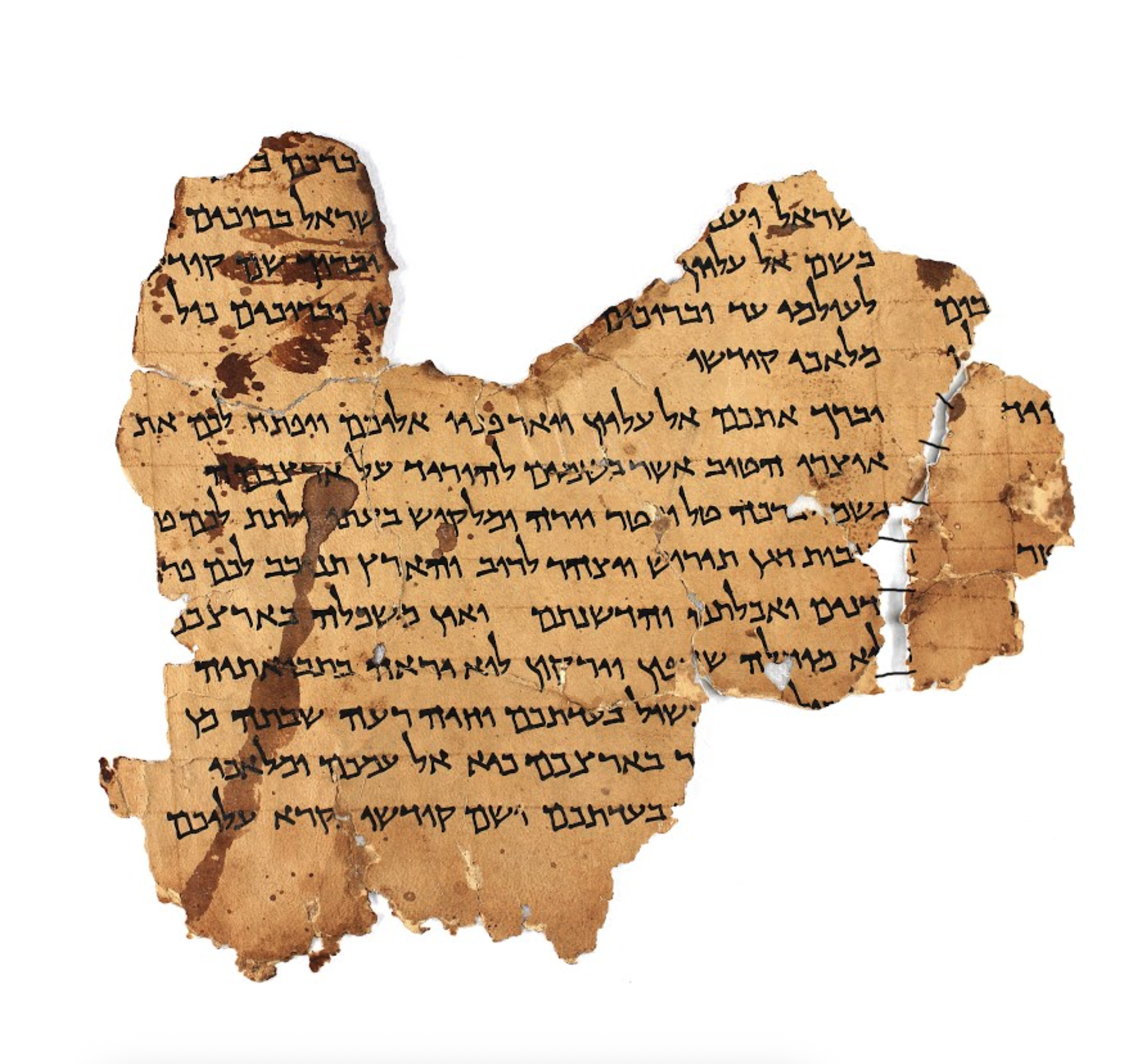
#1
古希伯來語利未記
Paleo-Leviticus
11Q1 / 11Q paleoLeva
《利未記》 18:26 – 19:3
仿製品
古希伯來字母源於腓尼基語,在鐵器 II 時期發展,為王國時期希伯來人所使用的。公元前586年 巴比倫攻陷耶路撒冷希伯來人被擄走離開猶大地,70年後回歸。回歸後的猶太人選擇改變文字,借用了亞蘭語的字母代表希伯來語,這字母系統一直保留至今。第一世紀期間,大部分希伯來語都已經改用新字母系統,然而有趣地,昆蘭群體有部分經卷依然使用王國時期的古希伯來語字母抄寫,是猶太世界內獨特的抄寫傳統。
死海古卷資料庫:
https://www.deadseascrolls.org.il/explore-the-archive/image/B-496170
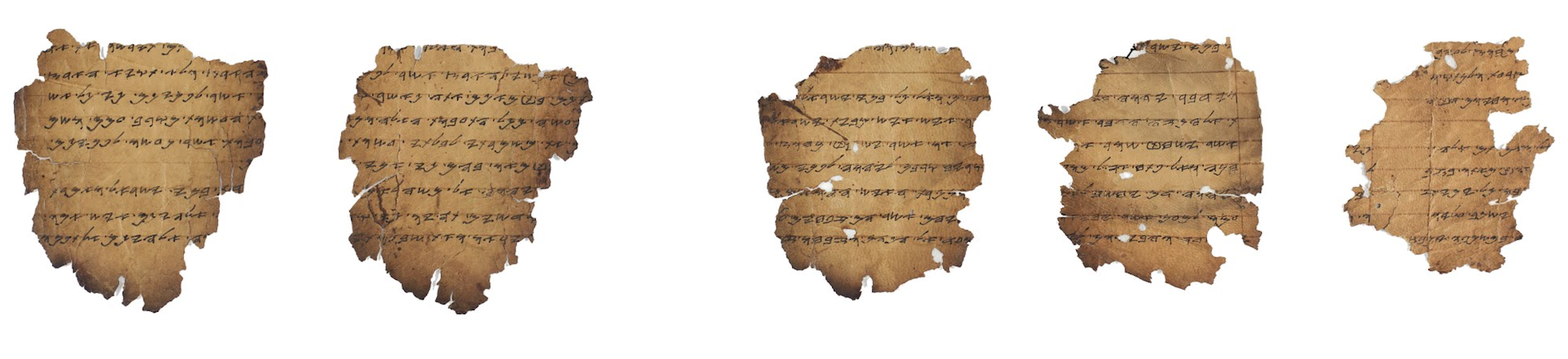
#2
大詩篇卷
The Great Psalm Scroll
11Q5 / 11Q Psa
《詩篇》120 – 134 篇
仿製品
大詩篇卷是死海古卷內最完整的《詩篇》捲軸,其中詩歌的內容與排序都與馬所拉文本有所不同。昆蘭群體似乎對《詩篇》的重視程度十分高,在出土的聖經相關的文獻中,《申命記》、《詩篇》與《以賽亞書》的抄本最多。恰巧,《新約聖經》作者最常引用的聖經經文也就是這三部書卷,這足以證明這三部書卷在第一世紀的猶大教內有十分重要的地位。
《詩篇》第120至134篇稱之為:《上行之詩》,為古代希伯來人上耶路撒冷朝聖時所唱誦的,這傳統追溯至耶穌時期,按福音書記載,耶穌進入耶路撒冷是街道兩旁的人大概也會唱誦這些詩歌。詳情請參閱文章「公義的拯救者,願祢來臨」。

經卷碎片內容(右至左):
碎片編號(最右):B-371124 Plate 976, Frag 1
第一列(右):《詩篇》105:24-45
第二列(左):《詩篇》 146:9-10; 148:1-13.QR:
死海古卷資料庫:https://www.deadseascrolls.org.il/explore-the-archive/image/B-371124
碎片編號(右二):B-371132 Plate 976, Frag 3
第三列:《詩篇》 121:1-8; 122:1-9; 123:1-2.
死海古卷資料庫:https://www.deadseascrolls.org.il/explore-the-archive/image/B-371132
碎片編號(左二):B-371135 Plate 976, Frag 4
第四列:《詩篇》124:7-8;125:1-5; 126:1-6; 127:1
死海古卷資料庫:https://www.deadseascrolls.org.il/explore-the-archive/image/B-371135
碎片編號(最二): B-371128 Plate 976, Frag 2
第五列:《詩篇》128:4-6; 129:1-8; 130:1-8; 131:1
死海古卷資料庫:https://www.deadseascrolls.org.il/explore-the-archive/image/B-371128
《大詩篇卷》死海古卷資料庫:
https://www.deadseascrolls.org.il/explore-the-archive/manuscript/11Q5-1
#3
創世記卷
Genesis Scroll
4Q4 / 4Q Gend
創世記 1:18-27
仿製品
死海古卷資料庫:https://www.deadseascrolls.org.il/explore-the-archive/image/B-288389
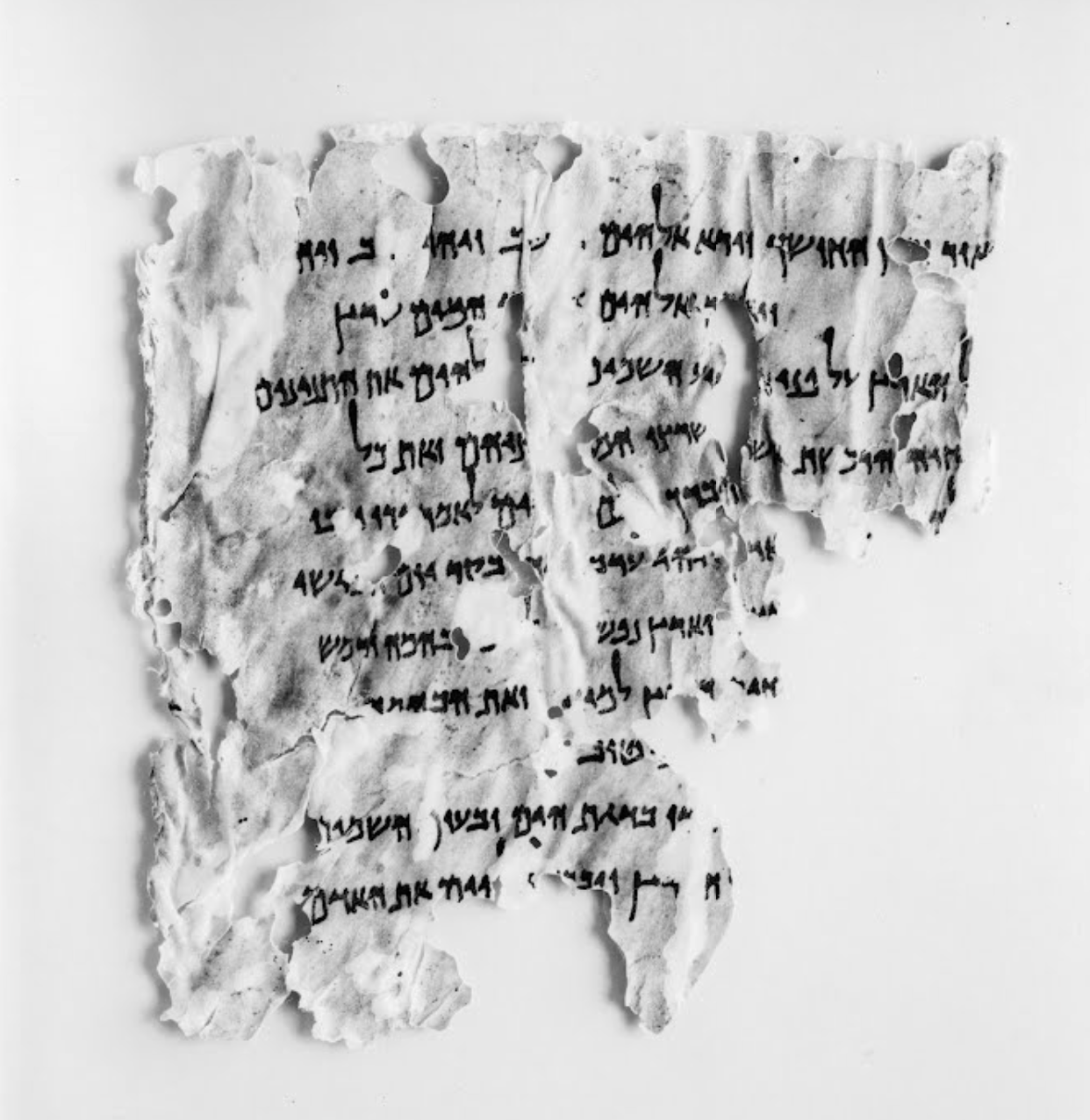
#4
亞蘭語以諾書
Aramaic Enoch
4Q201 / 4Q Ena
仿製品
次經《以諾書》(Enoch)是死海群體重視的舊約時代文學作品,內容故事講述《創世記》人物以諾如何在上升到天上神的國度,並由天使長作嚮導。死海古卷內最少發現10個不同的抄本,也就是翻譯群體對此書卷的重視。《以諾書》不屬於猶太正典聖經,也不屬於基督教及天柱教的正典,只有埃塞俄比亞的正典中包括此書卷。
死海古卷資料庫:https://www.deadseascrolls.org.il/explore-the-archive/image/B-298328

內容:
… And these are [the names of their chiefs]. Shemihazah wh[o was their head, Arataqo]ph (cf. Enb), his second; Ramta[el, third] to him; Kokabe[l, fourth to him; … el, fif]th to him; Ramae[l, sixth to him;] Daniel, seve[nth to him; Ziqiel (cf. Ena,c), eigh]th to him; Baraqel, nin[th to him]; Asael, tenth [to him; Hermoni (Enc), eleven]th to him; Matarel, twelf[th to him]; Ananel, thirteenth [to him]; Stawel, [fo]urteenth to him; Shamshi[el, fif]teenth to him; Shahriel, [s]ixteenth to him; Tummiel, seven[teenth to him]; Turiel, eighteenth to him; Yomiel, nine[teenth] to him; [Yehaddiel, twentieth to him.] These are the chiefs of the chiefs of tens. The[se and] their [ch]iefs [took for themselves] wives from all those whom they chose and [they began (Enb) to go in to them and defile themselves with them and to teach them sorcery and magic (Enb)] … And they became pregnant by them and bo[re giants] …”
The Complete Dead Sea Scrolls in English (7th Edition) (Penguin Classics)
#5
十二先知卷
Minor Prophets
8HevXII gr
《撒迦利亞書》8:19-23 / 8:23-9:5
仿製品
死海古卷不單是指昆蘭(Qumran)一代出土的古卷,事實上死海旁邊數個山洞都有古卷出土,包括納哈爾希弗(Nahal Hever)、瓦迪穆拉巴(Wadi Murabba’at)、馬撒大(Masada)及瓦迪達利耶(Wadi Daliyeh)。
納哈爾希弗(Nahal Hever)山洞中主要出土經卷是第二世紀巴柯巴起義(Bar Kokhba Revolt)難民所留下的文件,處理一些生活文件及信件外,考古學家發現一卷以希臘語抄寫的《七十士譯本》十二先知的古卷。其中只有《約拿書》、《彌迦書》、《那鴻書》、《哈巴谷書》、《西番雅書》及《撒迦利亞書》能確定。學者 Emmanuel Tov 估計若所有經文都是來自一卷的話,整個捲軸長大10米。
死海古卷資料庫:https://www.deadseascrolls.org.il/explore-the-archive/image/B-370936
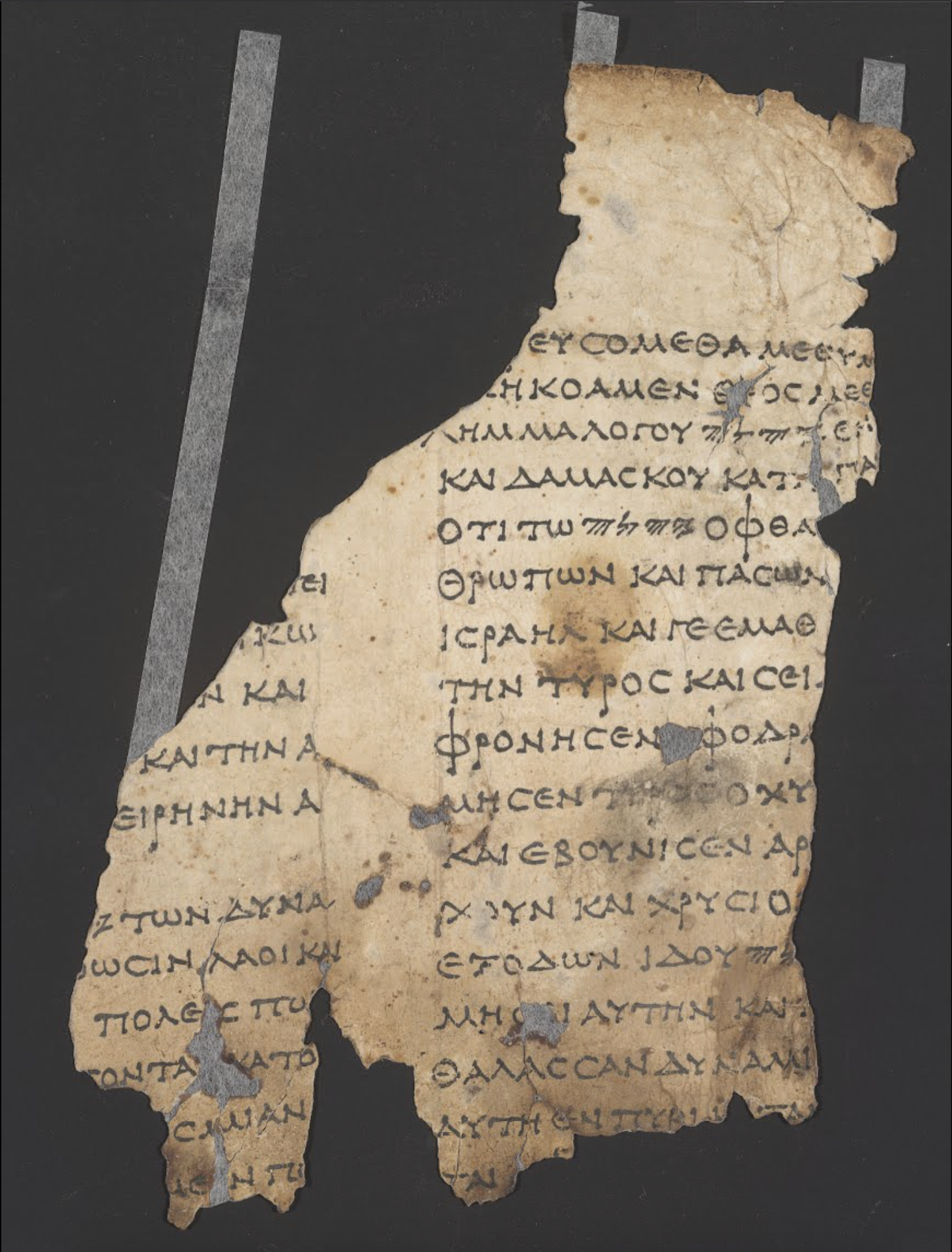
關於《七十士譯本》:
《七十士譯本》(Septuagint)大約源於公元前二世紀的亞歷山大城(Alexandria)。首次希伯來聖經被翻譯成外語,這個翻譯本的原稿似乎是參考成書時期的經文,因此從文本批判學的角度來說,縱使《七十士譯本》不是原文希伯來語,但也十分具參考價值。《七十士譯本》是早期基督徒常用的聖經翻譯本,每一次新約聖經作者引用希伯來聖經經文,他們都引用《七十士譯本》。希臘語《七十士譯本》的流通也是初期教會發展瞬速的原因之一。
#6
《彌賽亞之戰》
The War of the Messiah
11Q14 / 11Q
Ha-Milhamah Ha-Moshiach
仿製品
《彌賽亞之戰》 內容與《戰卷》相似,是昆蘭群體獨特的文獻,也是一部反映他們末世觀的書卷。這書卷的內容相對簡單,是描述軍隊列陣的指引。簡單來說,昆蘭群體相信末日來臨前將會有一場黑暗與光明之間的對缺,群體就是「光明之子」其餘人(特別是羅馬人)則屬於「黑暗之子」,來自大衛枝子群體的「王子」(許是公義的老師)帶領光明之子獲得最後勝利,而對壘時光明之子排陣的方式,各人所站的位置就詳細記錄在《戰卷》中。11Q14 記載戰後彌賽亞審判彼列(Belial)的勢力與基提人(Kittim;即羅馬人)的王,及清理基提人屍體的事宜。除了11Q14之外《彌賽亞之戰》 的內容出現在4Q285中,證實昆蘭山洞中有兩份這特別的經卷。
死海古卷資料庫:https://www.deadseascrolls.org.il/explore-the-archive/image/B-298302
經文:
And he shall bless them in the name [of the God] of Israel. Answering he shall say, … to the sons of Israel: May [yo]u be blessed for ever and ever and may His … be blessed … and may His holy angels be blessed. May the Most High God bless you. May He shine His face towards you and open to you His good treasure which is in heaven to bring down on your land showers of blessing, dew, rain, early rain and late rain in His/its time to give you the fruit of the produce of corn, wine and oil plentiful. May the land produce for you fruits of delight. And you shall eat and grow fat. And there shall be no miscarriage in your land and no sickness, blight or mildew shall be seen in its produce. There shall be no loss of children, nor stumbling in your congregation and the wild beasts shall withdraw from [your land.] The sword shall not pass through your land. For God is with you and His holy angels shall be present in your congregation, and His holy name shall be invoked upon you.”
The Complete Dead Sea Scrolls in English (7th Edition) (Penguin Classics)
#7
哈拉卡信件
Halakic Letter
4Q398 / 4Q Miqsat Ma‘ase Ha-Torah(4QMMT)
仿製品
哈拉卡信件是一份非常著名的死海文獻,這書於蒲草紙上的信件相信是由昆蘭群體給予管理聖殿的撒都該派祭司。書信的內容主觀地分享昆蘭群體對於收信人應用律法不滿之處,態度正面並希望與收信人尋求共識,與其他昆蘭群體文獻對群體以外人士有著明顯的不同。學者相信這份文件是昆蘭群體形成之際成書,甚或文件記錄昆蘭群體為何形成,正正就是不滿耶路撒冷祭司制度於應用律法過度寬容。
寫信人使用語句「一些妥拉的解釋」(Some ordinances of the Torah;Miqsat Ma‘ase Ha-Torah)來註明他們反對收信人對於摩西律法的應用。這語句的希臘語版本 Ergon Nomos 出現於保羅的《加拉太書》中,若以昆蘭群體對於此語句的理解來看保羅書信,明顯地保羅不是反對摩西律法本身而是反對某些人對於律法的理解及應用。
關於4QMMT 與保羅,請參閱文章「保羅、「律法的行為」和《MMT》 」
死海古卷資料庫:
https://www.deadseascrolls.org.il/explore-the-archive/image/B-284519
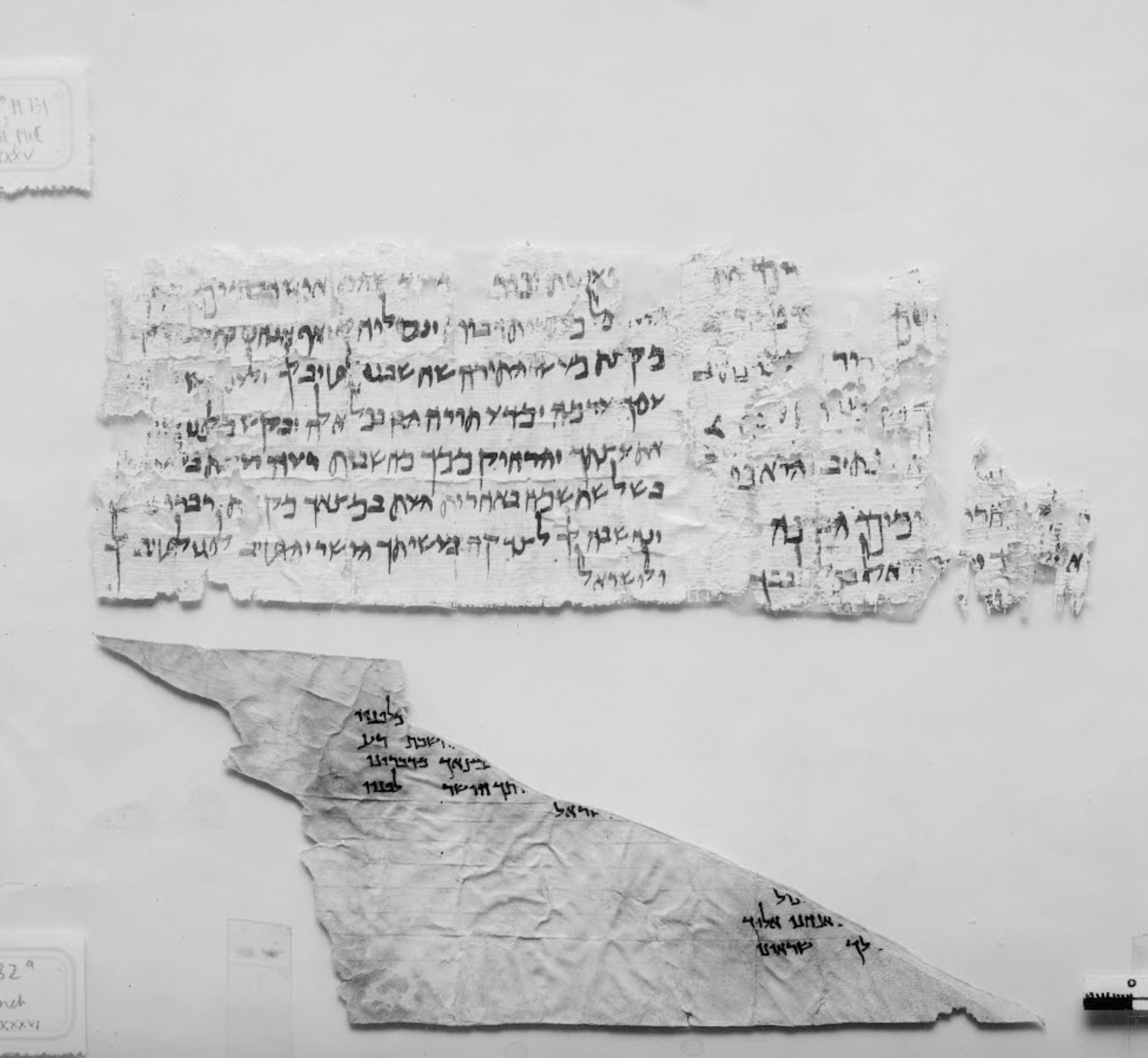
內容:
Remember David, that he was a man of piety, and that (26) he was also saved from many troubles and pardoned. We have also written to you (sing.) concerning (27) some of the observances of the Law (miqsat ma‘ase ha-Torah), which we think are beneficial to you and your people. For [we have noticed] that (28) prudence and knowledge of the Law are with you. Understand all these (matters) and ask Him to straighten (29) your counsel and put you far away from thoughts of evil and the counsel of Belial. (30) Consequently, you will rejoice at the end of time when you discover that some of our sayings are true. (31) And it will be reckoned for you as righteousness when you perform what is right and good before Him, for your own good (32) and for that of Israel.
The Complete Dead Sea Scrolls in English (7th Edition) (Penguin Classics)
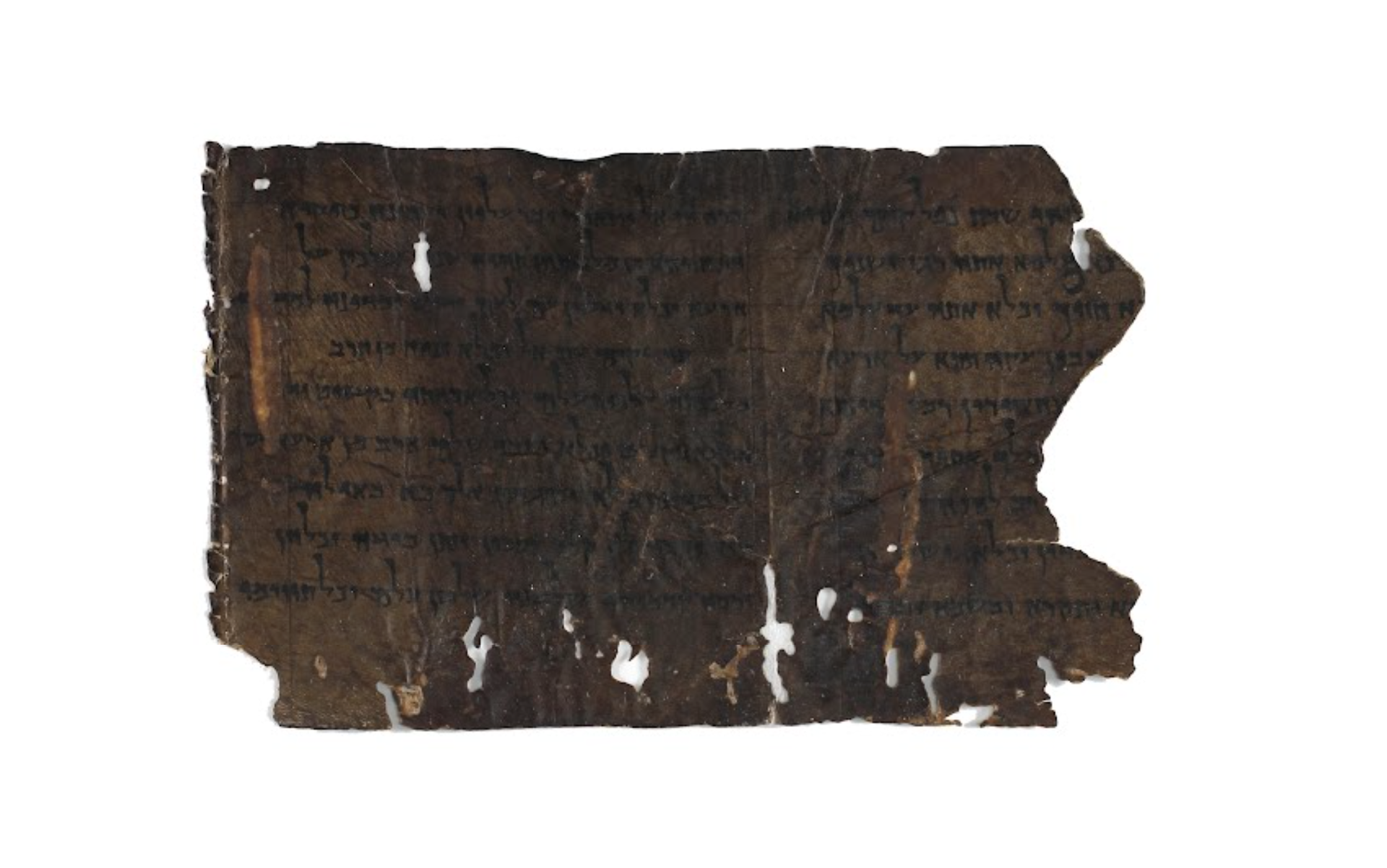
#8
但以理偽經
Daniel Apocryphon
但以理偽經 / 亞蘭語啟示 Daniel Apocryphon / Aramaic Apocalypse
4Q246 / 4QapocrDan / Son of God Text
仿製品
4Q246 是亞蘭語寫成的偽經文學。偽經文學(Apocryphon)是泛指死海文獻中一些內容與聖經書卷相近,用詞、語句及時式等都與聖經不同的文學作品。「偽經」的稱謂實在用詞不當,容易誤導讀者,並將文獻的地位貶低。事實上,偽經文學普遍是從另一個角度來陳述故事,譬如 Genesis Apocryphon 是《創世記》人物輪流以第一身角度來陳述事情經過,這些人物包括,拉麥、挪亞、亞伯拉罕等等。轉述內容的功能與模式相當於拉比猶太教的《米大示》(Midrash),是一些補充聖經資料的文學創作。《聖經》與《米大示》之間固然有賓主之分,但死海古卷內的偽經文學是同一時期的文學,而從其他死海文獻顯示,所謂「正典」書卷的內容,在第一世紀抄寫期間都不斷有修改刪減或加插。換句話說,這些偽經文學與「正典」依然有著重要的聯繫。
4Q246 第二列第一句如此記載:他將稱為神之子,而他們會稱他為至高者的兒子。從學者從其他文獻估計,這「神之子」很可能就是安提阿古四世(Antiochus IV Epiphanes)是《但以理書》內曾經暗示的人物,因此將 4Q246 定性為但以理偽經。
死海古卷資料庫:https://www.deadseascrolls.org.il/explore-the-archive/image/B-298202
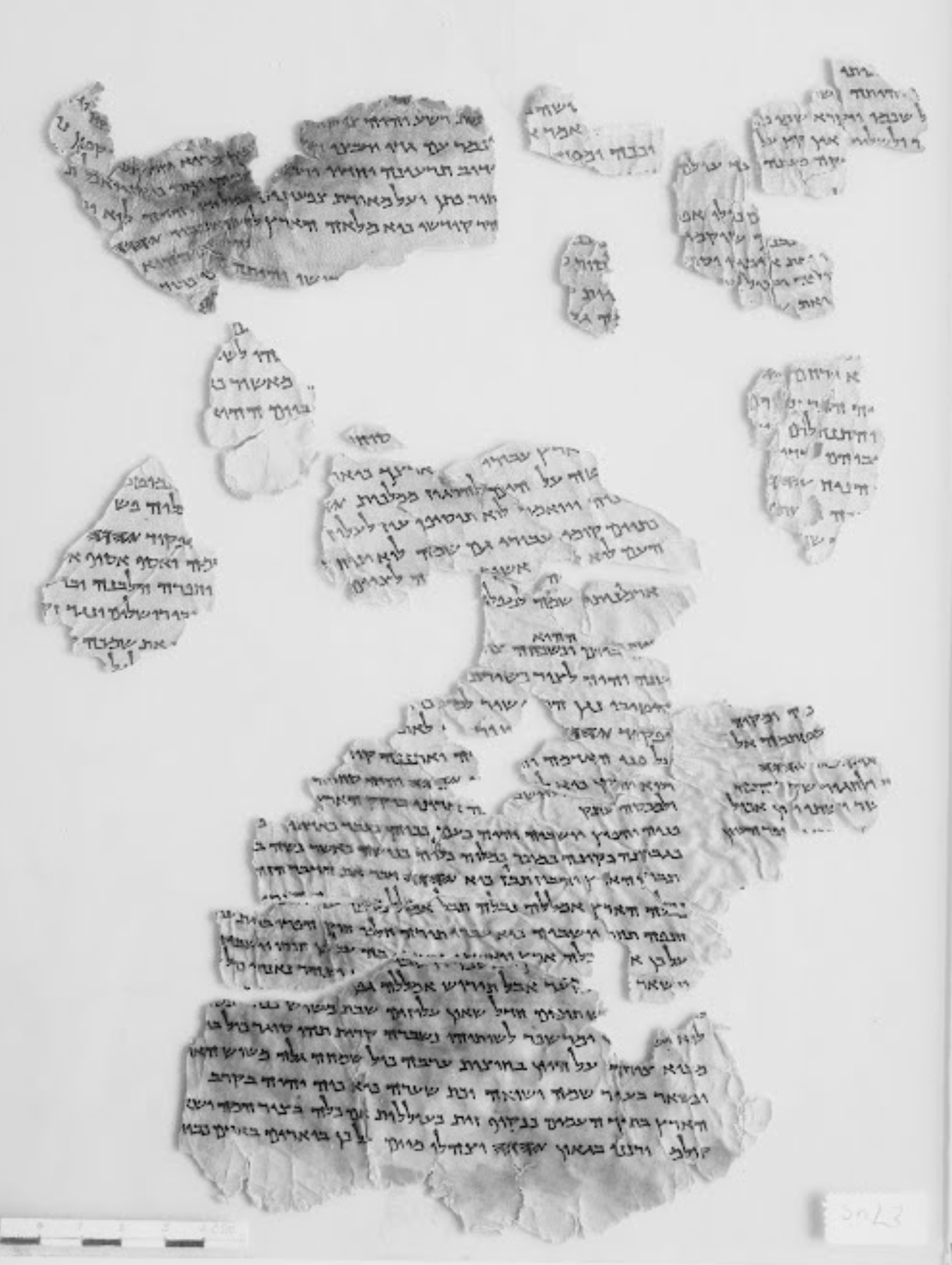
#9
以賽亞書
Isaiah
4Q57 – 4Q Isac
仿製品
經文:
第一列(右)以賽亞 22:10-14
第二列(左)以賽亞 23:9-24:15
死海古卷資料庫:https://www.deadseascrolls.org.il/explore-the-archive/image/B-300013
#10
《約伯記》他爾根
Targmum Job
11Q10 – 11Q tgJob – Targum Job
仿製品
他爾根(Targum)是另一類聖經翻譯文獻。作者將希伯來原文翻譯稱為亞蘭語,學者統稱這些為他爾根 (Targums)。因為翻譯涉及詮釋,這些他爾根直接反應翻譯者對原文的理解,是明白早期聖經理解的重要文獻。
死海古卷資料庫:
https://www.deadseascrolls.org.il/explore-the-archive/manuscript/11Q10-1
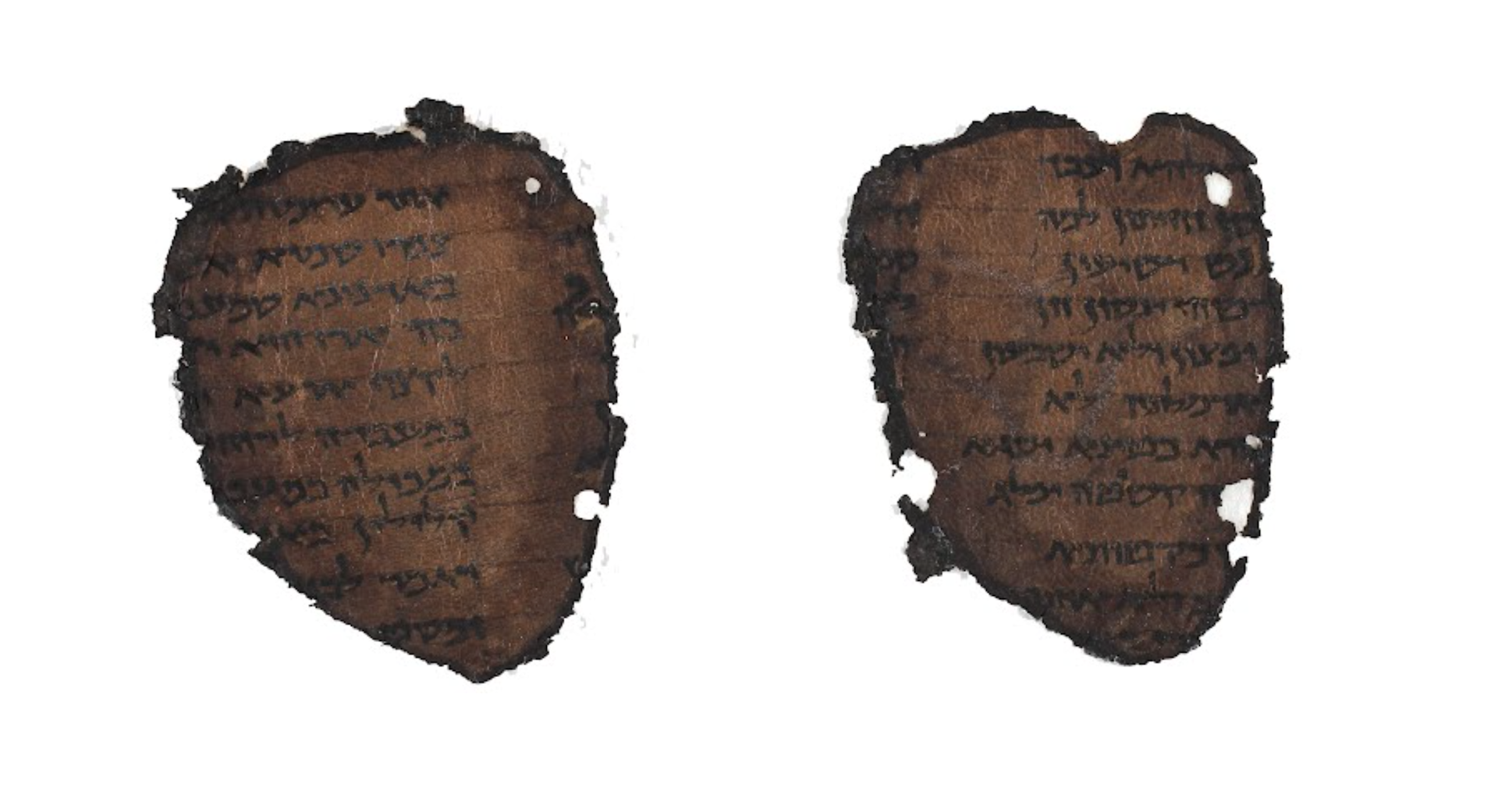
#11
十誡卷
Ten Commandments Scroll
4Q41 – 4Q Deutn
仿製品
經文:申命記5:1-33; 6:1; 8:5-10
死海古卷資料庫:https://www.deadseascrolls.org.il/explore-the-archive/image/B-295424